
Introduction to PBM, RLT, and NIR
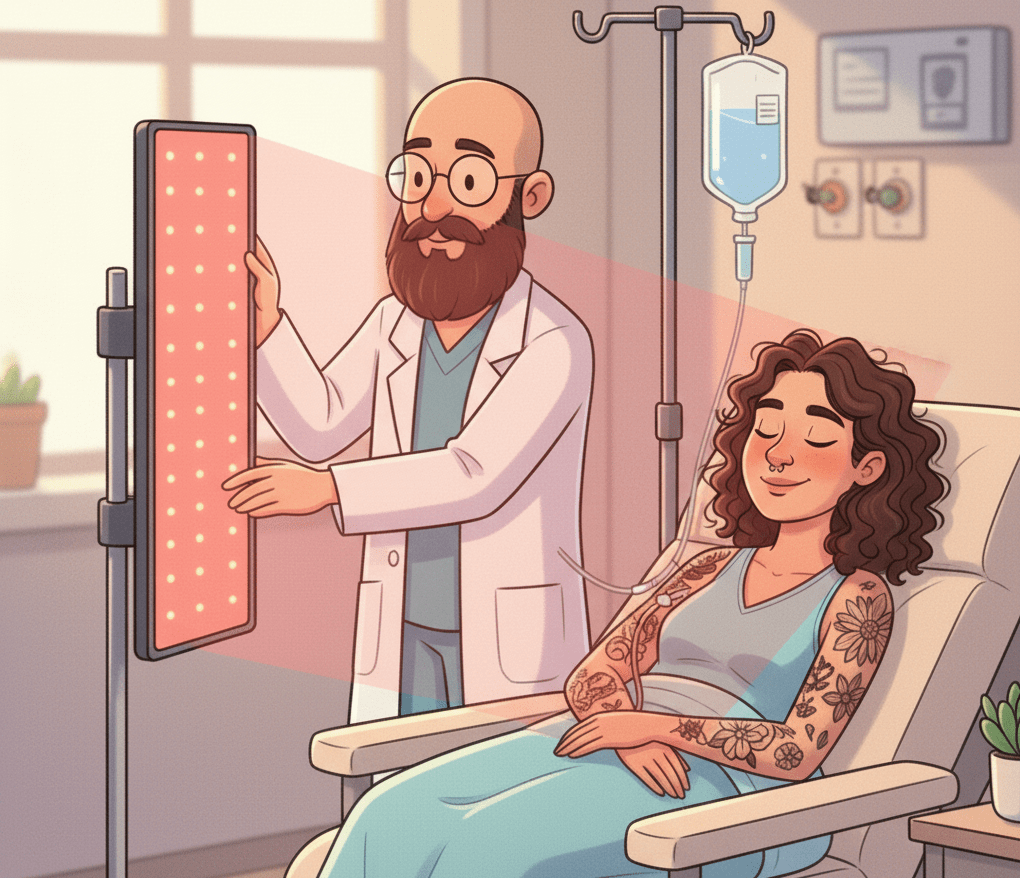
Photobiomodulation (PBM) therapy is a non-invasive treatment that uses specific wavelengths of light to stimulate cellular function and promote healing.
PBM has gained popularity for its benefits in various medical and wellness applications including pain relief, muscle & wound healing, anti-aging, anti-inflammation, increased mitochondrial function, and skin rejuvenation.
This page focuses primarily on red light therapy (RLT) and near-infrared light therapy (NIR), which have the broadest and most well-established evidence base. Additional sections cover blue, green, amber, and bright white light for their specialized uses in dermatology, neurology, and mood regulation.
For a deep dive into PBM research, see Vladimir Heiskanen’s curated database of over 9,000 published studies.
Mechanisms of action
Click to read about the nitty gritty
PBM works by delivering light energy to cells, which is absorbed by chromophores, such as cytochrome c oxidase in the mitochondria. This light absorption leads to increased production of adenosine triphosphate (ATP), the energy currency of our cells, and the release of nitric oxide, which improves blood flow and reduces oxidative stress. These effects collectively enhance cellular repair and regeneration processes.
So when red or NIR light shines on your skin, it helps the mitochondria work better. The light is absorbed by a part of the mitochondria called cytochrome c oxidase. This boosts the mitochondria’s ability to make energy (called ATP). With more energy, your cells can:
- Heal faster (for example, after an injury)
- Reduce inflammation (helping with pain and swelling)
- Repair tissue (such as skin, muscles, or nerves)
- Improve circulation (helping nutrients and oxygen reach your tissues)
This process is safe, gentle, and does not cause any burning or damage when done correctly.
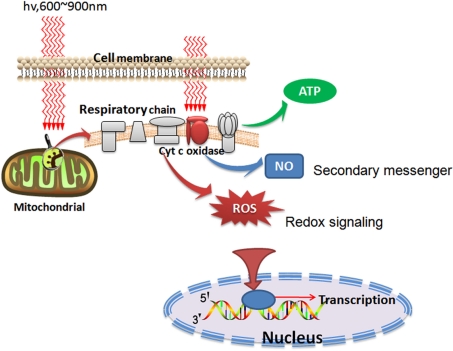
PBM has another mechanism as cellular medicine, and that is through its effect on opsins. Opsins are light-sensitive proteins found in various tissues (until recently, we only knew about opsins in the retina where they play a central role in vision by converting light into electrical signals), but they are not only in our eyes. Opsins are G-protein-coupled receptors (GPCRs) that, when activated by specific wavelengths of light, trigger intracellular signaling cascades.
Opsins such as OPN2 (rhodopsin), OPN3 (encephalopsin), OPN4 (melanopsin), and OPN5 (neuropsin) have been identified in skin cells including keratinocytes, melanocytes, and fibroblasts. Opsin activation can modulate intracellular calcium flux, cyclic AMP, and other second messengers that activate biological pathways affecting gene expression, cell proliferation, migration, and tissue repair.
Our understanding of opsin-mediated effects in photobiomodulation are still developing, but it seems like they are another pathway in PBM’s effects on wound healing, strengthening bone, inhibiting adipose (fat), and reducing pain.
Common Indications for PBM
The varied and growing uses for light as medicine
- Pain Relief: PBM is widely used for managing musculoskeletal pain, including arthritis, back pain, and sports injuries. It reduces inflammation and promotes tissue repair, leading to pain reduction.
- Wound Healing: PBM accelerates the healing of chronic wounds, such as diabetic ulcers and pressure sores, by enhancing collagen production and reducing inflammation.
- Skin Rejuvenation: Red and near-infrared light therapies are popular in dermatology for improving skin texture, reducing wrinkles, and treating acne by stimulating collagen synthesis and reducing inflammation.
- Hair regrowth: red/INR light is absorbed by mitochondrial chromophores in hair follicle cells, leading to increased ATP production, clearance of reactive oxygen species, and induction of transcription factors that promote cell proliferation and survival. This results in stimulation of hair follicle growth and prolongation of the anagen (growth) phase.
Emerging Indications
- Mental Health: Research is exploring PBM’s potential in treating depression and anxiety. The therapy may modulate neurotransmitter levels and improve cerebral blood flow, contributing to mood enhancement.
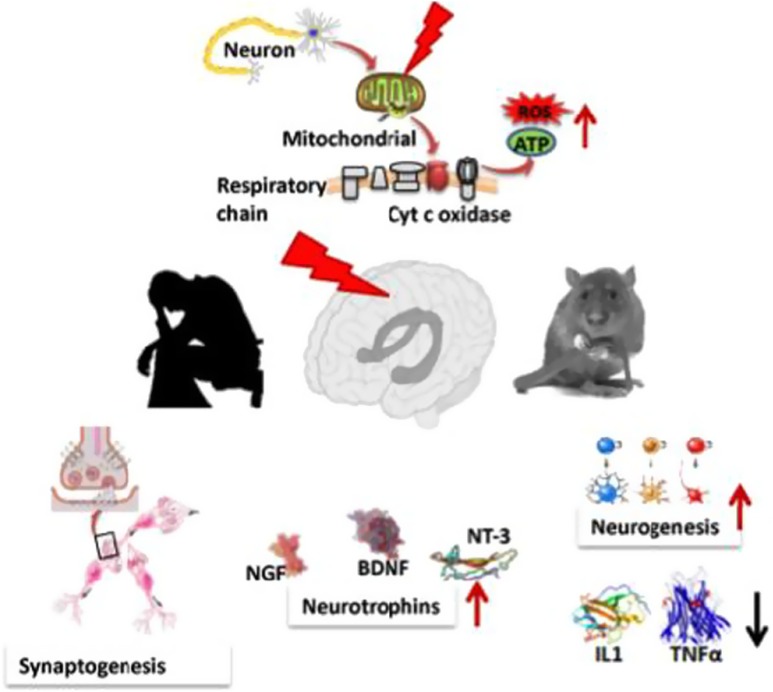
- Dementia and Cognitive Function: Studies suggest that PBM may improve cognitive function in patients with dementia by enhancing mitochondrial function and reducing neuroinflammation. PBM has also shown efficacy in improving cognitive performance in young healthy adults.
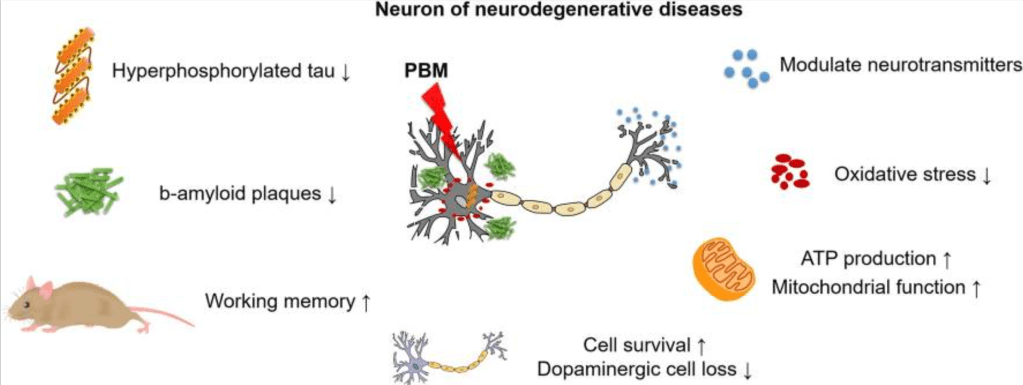
- Brain Injury and Neurodegenerative diseases: PBM has been TBI, stroke, Parkinson’s, Alzheimer’s, autism, ALS and MS in reducing symptoms, to be neuroprotective and to regenerate neurons.
- Longevity: PBM is being investigated for its potential to promote longevity by reducing oxidative stress and improving cellular repair mechanisms.
- Addiction: PBM appears to offer promise as a novel and effective treatment in reducing opioid cravings, offering benefits significantly greater than cognitive rehabilitation.
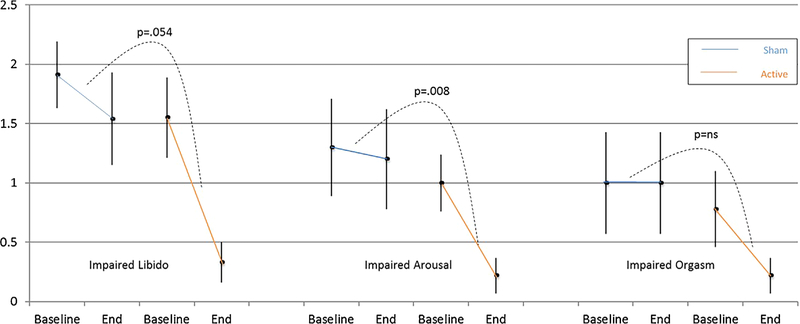
- Libido: PBM has been shown to dramatically improve sexual dysfunction and loss of interest in sex in men and women treated with 8 weeks of transcranial near infrared light.
- Migraines: Daily exposure to green light-emitting diodes (1–2 hours/day for 10 weeks) significantly reduced headache days and improved quality of life in both episodic and chronic migraine patients, with no reported side effects
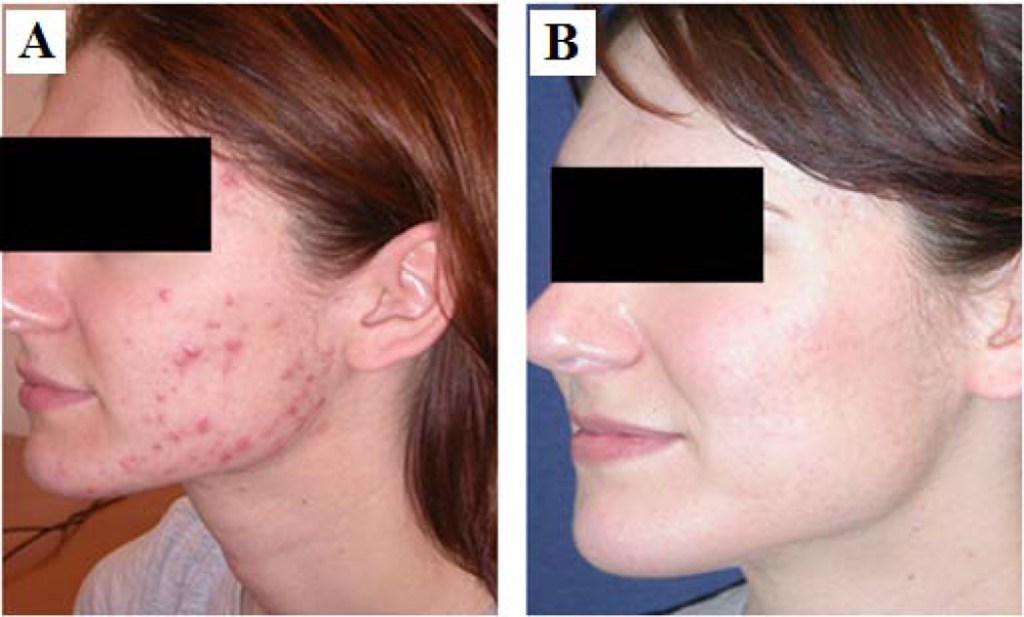
- Acne: Blue light therapy significantly reduces inflammatory acne lesions after several weeks of treatment, with generally mild adverse effects
Importance of Proper Dosing
The dose makes the medicine (or the poison!)
The effectiveness of PBM depends significantly on the correct dosing of light, which includes parameters such as wavelength, intensity, and duration of exposure. Overexposure can lead to tissue damage, while underexposure may not provide therapeutic benefits. In healthcare, we call this a biphasic dose response.
Like many other longevity interventions, PBM is hormetic. Hormesis is a biological phenomenon where low doses of a stressor can induce a beneficial adaptive response, while higher doses can cancel the gains or even be harmful—so it’s important not to overdo it. This means that moderate amounts of stress, like exercise or intermittent fasting, can actually strengthen the body and promote health.
Dosing
Choosing the proper dose can be a little complicated, but you only have to figure out your routine once. You will calculate to achieve an energy density between 3 – 45 J/cm², and this will depend on the irradiance of your device, distance from your body, and duration of the session.
| Parameter | Typical Ranges |
|---|---|
| Wavelength | 620–700 nm (red), 780–900 nm (NIR). Scroll down for a table on this. |
| Fluence | 3–50 J/cm² per session |
| Irradiance | 10–50 mW/cm² |
| Session Duration | 5–20 minutes per area |
| Frequency | 2–5 times per week |
Fluence (energy density) is the total amount of light energy delivered per unit area during a treatment session, measured in joules per square centimeter (J/cm²). Fluence determines the cumulative energy the tissue receives, which is critical for achieving therapeutic effects. Too little fluence means little or no effect, and too much fluence can be counterproductive.
Irradiance (power density) is the rate at which light energy is delivered to a surface area, measured in milliwatts per square centimeter (mW/cm²). Irradiance affects how quickly the desired fluence is delivered and can influence tissue response (too high may cause heating, too low may be ineffective).
Dosing Forumula:
Fluence (J/cm²) = Irradiance (W/cm²) × Time (seconds)
- See the device manufacturer’s specifications to find irradiance.
- Irradiance diminishes with distance. Closer distance = higher irradiance.
- Note that you will likely have to convert mW to W and minutes to seconds for this formula.
- See Alex Fergus’ website or YouTube to find real-life spectrometer readings of irradiance for many popular devices.
- Generally speaking, calculate for fluence <50 J/cm². I usually aim for 30-45 J/cm² to play it safe.
- If you need help with this, feel free to email me.
🔴 Red & Near-Infrared Light (620–900 nm)
NIR + RLT are the best studied and most therapeutically versatile forms of PBM
Mechanisms
- Mitochondrial stimulation via cytochrome c oxidase
- NO release → improved perfusion
- Activation of transcription factors → increased collagen, antioxidant enzymes, and growth factors
- Reduction of inflammatory cytokines
Clinical Benefits
- Pain relief, inflammation control, and tissue regeneration
- Faster wound closure and scar remodeling
- Enhanced cognitive and mood regulation
- Neuroprotective and anti-aging effects
- Improved sexual function and vitality
Actions of NIR in neurodegenerative diseases (image)
Benefits of NIR in sexual dysfunction (graph)
Typical Parameters
| Parameter | Range |
|---|---|
| Wavelength | 620–700 nm (red), 780–900 nm (NIR) |
| Fluence | 3–45 J/cm² |
| Irradiance | 10–50 mW/cm² |
| Session Duration | 5–20 min/area |
| Frequency | 2–5× weekly |
Key Concept: PBM follows a biphasic dose response — too little light yields minimal benefit, too much can reduce efficacy. Aim for moderate, consistent exposure.
See this table for an idea of how different red & NIR wavelengths are commonly used in PBM:
| Wavelength (nm) | Indications | Therapeutic Benefits | Associated Risks/Limitations |
| 630 | Wound healing, dermatology | Promotes wound repair, reduces inflammation, enhances cell proliferation | Potential for erythema or transient discomfort |
| 650 | Wound healing, angiogenesis, pain | Stimulates angiogenesis, cell proliferation, NO/VEGF production, anti-inflammatory | Theoretical risk of overstimulation of growth factors |
| 660 | Wound healing, pain, inflammation | Enhances tissue repair, reduces pain and inflammation, increases mitochondrial activity | Rare local irritation |
| 670 | Retinal/optic nerve injury, CNS | Neuroprotection, reduces oxidative stress, improves visual function in models | Insufficient data for long-term safety of applying RLT to eyes |
| 810 | Wound healing, neuroprotection | Deep tissue penetration, accelerates wound closure, enhances mitochondrial function | Avoid use over neoplastic lesions |
| 830 | CNS injury, neurodegeneration, anxiety, depression | Deeper penetration, neuroprotection, improved mitochondrial function | Less effective for superficial wounds |
| 850 | Pain, musculoskeletal conditions, neurodegrenerative conditions, psychiatric conditions | Analgesic effects, anti-inflammatory, tissue repair, improvement in anxiety and depression | Limited comparative efficacy data |
| 1060 | Investigational, mental and cognitive health, deep tissue therapy | Theoretical deep tissue effects; limited evidence for clinical benefit | No significant effect on Ca signaling; limited safety data |
🔵 Blue Light Therapy (405–470 nm)
Most people have only heard of blue light as something to be avoided due to sleep disruption, but you want blue light exposure early in the day!
Blue light has strong antimicrobial and sebostatic properties, making it effective for acne, skin infections, and dental applications.
Primarily used for its antibacterial properties, blue light is effective in treating acne by targeting acne-causing bacteria. It is also used in dental applications for its antimicrobial effects.
Mechanisms
- Activates bacterial porphyrins → singlet-oxygen generation → bacterial cell death
- Regulates sebaceous gland activity
- Reduces inflammation in superficial layers
Clinical Use
- Acne vulgaris (reduces Cutibacterium acnes)
- Adjunct in wound disinfection
- Oral and periodontal phototherapy
Parameters
| Parameter | Range | Notes |
|---|---|---|
| Wavelength | 405–470 nm (peak ~415 nm) | Strong antibacterial action |
| Fluence | 5–15 J/cm² | Low-to-moderate intensity |
| Frequency | 2–3×/week | Protective eyewear required |
Combining blue + red light enhances both antibacterial and anti-inflammatory outcomes.
🟩 Green Light Therapy (520–560 nm)
Green light targets neurologic and sensory modulation, particularly for migraine and chronic pain
Light can induce migraines even in blind people, but green light can treat them.
Mechanisms
- Modulates melanopsin-expressing retinal ganglion cells, calming central pain pathways
- Regulates thalamic and serotonergic circuits
- Promotes autonomic balance, reducing sympathetic overdrive
Evidence
- Clinical trials show ~60 % reduction in migraine frequency and ~50 % in intensity after daily narrow-band exposure (~530 nm for 1–2 hours).
- Early data suggest analgesic benefits in fibromyalgia and neuropathic pain.
Parameters
| Parameter | Range | Notes |
|---|---|---|
| Wavelength | 520–540 nm | Narrow-band LED or filtered lamp |
| Irradiance | 1–10 mW/cm² | Very low, ambient exposure |
| Duration | 30–120 min/day | Eyes open, avoid glare |
| Frequency | Daily | Best in consistent routine |
🧡 Amber Light Therapy (585–590 nm)
Amber wavelengths bridge red and green, offering benefits in inflammation control, pigmentation regulation, and skin rejuvenation.
Mechanisms
- Down-regulates inflammatory cytokines (IL-6, TNF-α)
- Modulates lymphocyte cytokine signaling → immune balance
- Reduces melanin synthesis via tyrosinase inhibition (melasma improvement)
- Enhances collagen remodeling and dermal structure
Clinical Use
| Indication | Effect |
|---|---|
| Melasma & Hyperpigmentation | Decreased melanin, even skin tone |
| Inflammatory Skin Conditions | Reduced erythema & swelling |
| Aging Skin | Improved elasticity, tone, hydration |
| Post-procedure Recovery | Faster healing, less redness |
Parameters
| Parameter | Range | Notes |
|---|---|---|
| Wavelength | 585–590 nm | Narrow-band amber LEDs preferred |
| Fluence | 3–10 J/cm² | Effective at low doses |
| Frequency | 2–3×/week | 4–8 week protocols common |
Safety: Excellent tolerance across all skin types; can be layered with red or NIR for synergistic rejuvenation.
💡 Full-Spectrum / Blue-Enriched White Light (460–700 nm)
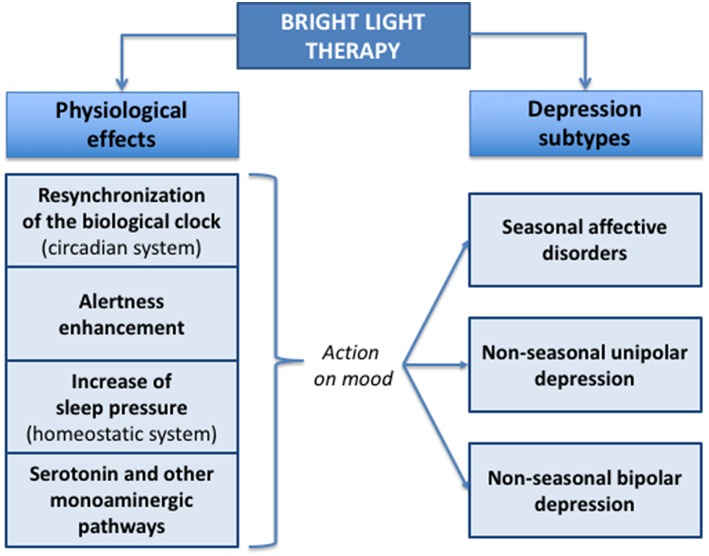
Full-spectrum white light — particularly blue-enriched daylight (~460–480 nm) — supports circadian alignment and seasonal affective disorder (SAD) treatment.
Mechanisms
- Activates melanopsin in retinal ganglion cells → suppresses melatonin
- Increases serotonin and dopamine synthesis and signaling in preclinical models.
- Reinforces hypothalamic circadian rhythms
Clinical Evidence
- Bright light therapy can prevent seasonal affective disorder before it starts!
- Bright light therapy may offer faster symptom improvement and is associated with fewer adverse effects compared to antidepressants.
- Early morning BLT yields the best chance of remission.
💬 Clinical Tip:
Use bright-light therapy early in the morning for 20–40 minutes, positioned at or slightly above eye level (~12–18 in away).
Combine with morning movement, journaling, or hydration to boost dopamine + cortisol alignment.
⚠️ Caution:
Avoid evening exposure (after 6 p.m.) as it can delay melatonin and reduce sleep quality.
🌞 Top Bright-White Light Devices (2025)
| 💡 Device | 💥 Brightness | 🌈 Spectrum | 🧘 Comfort / Flicker | 💲 Price Tier |
|---|---|---|---|---|
| Carex Day-Light Elite | ⭐⭐⭐⭐ (≈ 12 000 lux @ 1 ft) | Broad white (4150 K) Missing a big chunk of blue spectrum. | ✅ Flicker-free 🟡 Moderate glare | 💲💲 |
| Beurer TL 95 SunLike | ⭐⭐⭐⭐ (≈ 10 000 lux @ 1 ft) | 🌞 SunLike (460–700 nm) | ✅ Flicker-free 🟢 Low glare | 💲💲💲 |
| SOLshine bioBulb™ | ⭐⭐⭐⭐⭐ (≈ 31 000 lux @ 1 ft) | 🌞 SunLike w/ 🔴 NIR (700–950 nm) | ✅ Flicker-free 🟠 Moderate glare | 💲💲💲💲 |
🧭 Quick Take:
- Carex Elite → Best for desk / office mounting
- Beurer TL 95 → Most natural full-spectrum light
- SOLshine bioBulb™ → Brightest + includes infrared for added cellular benefits
Bright Light Therapy Parameters
| Parameter | Range | Notes |
|---|---|---|
| Spectrum | 400–700 nm | “Daylight” or blue-enriched lamp |
| Illuminance | ~10 000 lux | Measured 16–24 in from eyes |
| Duration | 20–40 min | Avoid evening use |
| Frequency | Daily during winter | Caution in bipolar patients |
Other Safety Considerations
While PBM is generally considered safe, certain populations should exercise caution.
- Photosensitive Individuals: People with conditions like lupus or those taking photosensitizing medications should avoid PBM to prevent adverse reactions.
- People with active cancers: There is concern that PBM could potentially stimulate cancer cell growth if targeted at an existing tumor, so it should be used cautiously in patients with active malignancies.
Is PBM safe for people with bipolar or other mental heath issues?
Photobiomodulation (PBM) appears to be very safe and even therapeutic for patients with bipolar disorder based on current research. Studies have shown that transcranial infrared laser stimulation (TILS), a form of PBM, can improve cognitive function and mitochondrial oxidative energy metabolism in older adults with bipolar disorder without significant adverse effects. However, more extensive research is needed to fully understand its safety and efficacy across different mental health diagnoses.
For other mental health diagnoses, such as depression and anxiety, PBM has been explored as a promising therapeutic option. Research suggests that PBM may modulate neurotransmitter levels and improve cerebral blood flow, contributing to mood enhancement.
NIR holds particular promise in the treatment of mental health problems because of its ability to penetrate more deeply than other wavelengths. NIR wavelengths have demonstrated efficacy in the treatment of depression, anxiety, traumatic/brain injury, cognitive decline (dementia & Alzheimer’s), Parkinson’s disease, sexual dysfunction, and psychotic disorders. For these applications, NIR is typically applied to the forehead and scalp targeting the prefrontal cortex at fluences between 10 – 60 J/cm².
Photobiomodulation therapy offers a promising, non-invasive approach to enhancing health and wellness and treating an array of conditions. Its most promising benefits benefits are in pain relief, wound healing, skin rejuvenation, mental health, cognitive function, and longevity. Getting the dose right is important. As research progresses, PBM is likely to become an integral part of holistic health management.

