
Lifestyle + Medical Optimization for Longevity
There might be a few drugs that make us live longer and our brains work better, but the heart of longevity is lifestyle. This page will address modifiable risk factors for cardiovascular death and neurocognitive disease. Here you will find comprehensive yet accessible guides to stacking the odds to favor a long life unburdened by chronic diseases and cognitive decline. The case laid out here is supported by the absolute top-tier of scientific evidence such as umbrella and meta analyses, systematic reviews, and randomized controlled trials that have shaped the current scientific understanding of lifestyle interventions for longevity.
Food
Learn about the Mediterranean Diet for health and longevity.
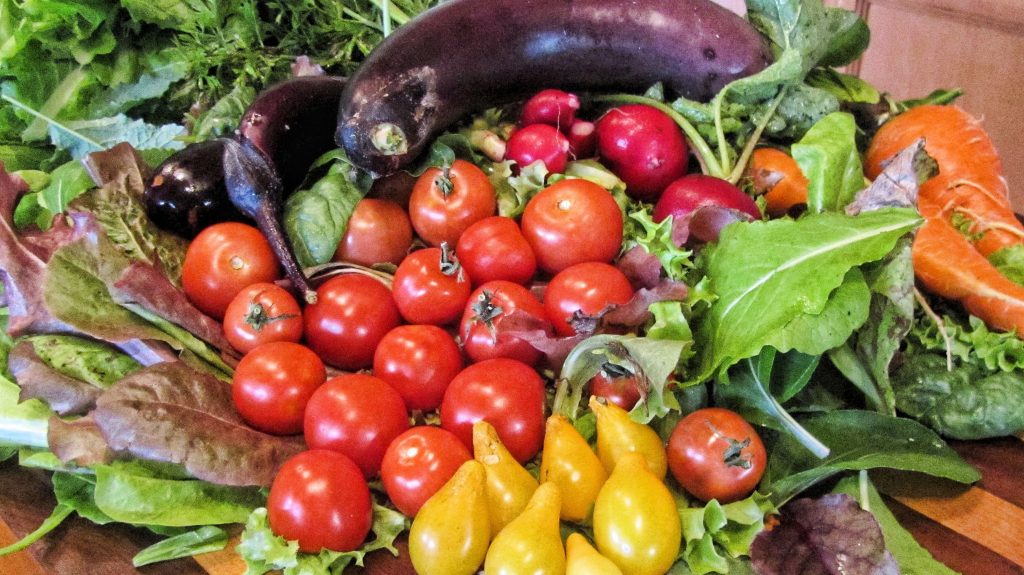
The Mediterranean diet stands head-and-shoulders over every other style of eating when it comes to cardiac risk reduction, and it’s a big enough tent that anyone’s eating preferences can fit into it. People who adhere to the Mediterranean diet pattern (MDP) fulfill their micronutrient requirements better than those on the typical Western diet. It is the best diet for heart health. It reduces your risk of mild cognitive impairment or Alzheimer’s disease. Adhering to MDP improves your gut microbiome and your immune system and likely protects you from cancer. Eating MDP improves depression, anxiety, and stress and improves sleep. This diet pattern has proven itself in countless studies to be the healthiest way to eat. To state the Mediterranean diet as tersely as possible: avoid processed foods; eat: plants, legumes, whole grains, olive oil, yogurt, real cheese, fish, and maybe some poultry (in that order).
I’m going to repeat that: avoid processed foods, refined sugars, and refined grains. Focus your diet around vegetables, legumes, fruits, herbs, nuts, beans, and whole grains. Eggs, cheese, yogurt, and fish are good sources of protein to include. Meat is rarely eaten on the Mediterranean Diet, and the consumption of alcohol is limited only to red wine and only in moderation.

Have you been hearing more about “plant-based” alternatives nearly any time you are talking about food? This is in part because higher consumption of total dietary fiber significantly decreases the risk of all-cause mortality, CVD-related mortality, and cancer-related mortality by 23, 26 and 22%. The protective effect of eating fiber is so profound that one meta analysis found a 10% reduction in mortality risk for each 10 gram/day increase in fiber intake. You should aim to eat at least 30 grams of fiber per day (the USDA recommends 25g for women and 38g for men). When comparing nutrition labels, you should generally pick the food with more fiber.
People with normal, healthy kidneys should pursue a high protein diet not only because it is associated with weight loss and preservation of muscle but also because higher muscle strength is associated with lower all-cause mortality, even in people who smoke cigarettes or have higher body fat. The recommended protein intake is 1.0 – 1.6 grams of protein per kilogram of your bodyweight. Another quick way to make a high protein target is 1 gram of protein per centimeter of your height. Does it matter where I get my protein? Yes. Higher intake of protein from legumes, nuts, vegetables, and fruits is associated with lower risk of all-cause mortality, cardiovascular disease, stroke, cancer, and other causes of death. Higher intake of plant protein is also associated with healthier aging with freedom from functional limitations and maintenance of good mental status.
Several large studies have found that higher intake of total animal protein (especially from red and processed meat) is associated with higher all-cause and cause-specific mortality, while plant protein is associated with lower mortality. This is thought to be because animal protein is relatively high in branched-chain and aromatic amino acids, which may cause insulin resistance. The more plants you eat, the better.
It is important to take a moment to discuss obesity and why it matters to our health and longevity discourse. In the United states, 73% of Americans are overweight or obese, with 41.9% being obese (CDC). While it is important to be sensitive to the stigma, torment, and cruelty that society inflicts on people with obesity, it is just as important to empower people to take control of their weight to protect themselves from obesity-related disease. Cancer, heart disease, diabetes, stroke, liver disease, kidney disease arthritis, back pain, and decreased lifespan are all dramatically more likely in obesity. Obesity causes or exacerbates over 200 diseases and negatively affects every system in our body.
If you are losing weight, it is critical to maintain a high protein intake in order to hedge against losing muscle mass. Unlike fats and sugars, the body cannot easily store protein (aside from building new tissue with it). If you are not eating enough protein, your body will meet its protein needs by breaking down your muscles.
What do we mean by “processed foods”? This can be confusing to explain, even to experts. The NOVA food classification system provides a concise way to relate this concept. This article in World Nutrition is a great introduction to thinking about processed food using NOVA criteria.
When thinking about processed foods, consider this: if the bread you’re buying can sit on a supermarket shelf for a month or two without spoiling, is that something you want to put into your body? If you want real bread, go to the bakery and buy something fresh and minimally processed. You should avoid eating chips, candy, ice-cream, sweetened breakfast cereals, chicken nuggets, hotdogs, and fried foods. Eat real foods without preservatives. Cook at home and with friends.
Beverages
What beverages should I be drinking and in what quantity?
Let’s start with alcohol consumption. Alcohol consumption is a risk factor for cancer. In addition to cancer, alcohol causes high blood pressure, socioeconomic and mental health problems, and a weaker immune system. Alcohol use above 14 drink units/week is associated w/ brain aging and dementia. Alcohol is a major cause of disease worldwide and is associated with interpersonal violence, suicide, drowning, exposure, falls, and workplace injuries.
So that was a pretty decent throat-clearing on alcohol, and the takeaway is that less is more. If you can avoid drinking altogether, that’s probably the healthiest move.
But what if you want to drink anyway? What’s the harm reduction angle? And what about red wine—isn’t it supposed to be healthy?
Unlike other forms of alcohol, red wine does not appreciably increase the overall risk of cancer while instead seeming to offer some protection against cancer—perhaps this is because RW contains anti-cancer polyphenols). Studies show that moderate red wine drinking increases longevity and reduces the risk of cardiovascular diseases, and moderate drinkers have fewer heart attacks. Parsing through the data from landmark study, Prevention with Mediterranean Diet (PREDIMED), we find that red wine consumption was associated with improvements in four out of five criteria for metabolic syndrome (MetS criteria: elevated abdominal obesity, low HDL-c levels, high blood pressure, and high fasting plasma glucose levels). Red wine polyphenols have been found to improve vascular health in at risk human populations, especially concerning reduction of systolic blood pressure. Light and moderate drinking of red wine is likely protective against dementia and Alzheimers, while heavy drinking contributes to dementia through its neurotoxic effects.
If you are not presently an alcohol drinker, it is not recommended to start drinking red wine in order to derive a longevity benefit. If you choose to drink alcohol, you should only drink red wine, and you should drink it in moderation (a maximum of 2 glasses/day for men or 1 glass/day for women). If you are trying to lose weight, you are sabotaging yourself by drinking alcohol. Calories flow very easily out of a glass. When you are trying to lose weight, you need to be conscientious about calories and focus on protein and fiber.
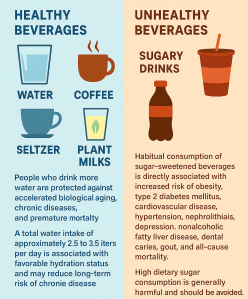
Meta-analyses studying sugary drink studies and umbrella reviews that consolidate information from meta-analyses demonstrate that habitual consumption of sugar-sweetened beverages is associated with increased risk of obesity, type 2 diabetes mellitus, stroke, cardiovascular disease, dementia, hypertension, nephrolithiasis, depression, nonalcoholic fatty liver disease, dental caries, gout, and all-cause mortality. High dietary sugar consumption is generally harmful and should be avoided.
| You should make every effort to avoid consuming sweet beverages. I am literally going to say that again: don’t drink sweet drinks. |
Cow’s milk is excluded here because of saturated fats, pesticides, hormones, and bovine growth factors that are typically found in conventional milks. Organic cow’s milks is typically free from those contaminants (but it still has saturated fats, which you want to avoid consuming more than 15g per day).
Things that are healthy to drink include WATER, coffee, tea, seltzer, plant milks (those without a ton of processed additives!), and less-sweet kombucha (longer fermentation time). People who drink more water are protected against accelerated biological aging, chronic diseases, and premature mortality.
A total water intake of approximately 2.5 to 3.5 liters per day is associated with favorable hydration status and may reduce long-term risk of chronic disease and premature mortality.
If you don’t have a trusty water bottle, you should buy one today. I like to recommend the Klean Kanteen because there is no plastic liner inside the bottle. While the scope of this page doesn’t extend to microplastics, there’s always room for some harm reduction.
Exercise
How much do I need to exercise?
The benefits of exercise are “dose dependent,” meaning you will see greater reductions in mortality risk among individuals who engage in more exercise. You should try to get 30 minutes of moderate intensity exercise at least five times a week. Moderate intensity exercise is defined by being difficult enough to make you breath deeper and faster, raise your heart rate, and break a sweat, while still being able to talk. Think about two bicyclists riding fast but still able to talk to each other. Speaking about bicycling, it is one of the easiest ways to introduce routine exercise to your life. If you commute to work, consider doing so on a bicycle. Incorporate healthy habits into your daily routine is how people in the “Blue Zones” live full lives and can be found at the dancehall at ages greater than 100 years old.
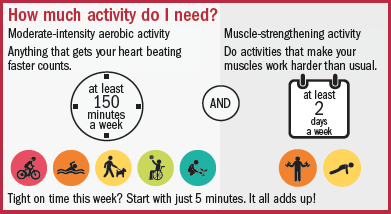
The cost of being sedentary: extended time sitting is an independent risk factor for mortality in all groups. A 2016 meta-analysis involving over one million participants found that daily sitting time of over eight hours per day was associated with increased all-cause mortality, but this risk was mitigated and not found in those who also engaged in 60-75 minutes of moderate-intensity activity daily. One third of the global population lives a sedentary lifestyle. People who watch television for ≥6 hours/day have a two-fold higher all-cause mortality risk compared to the people who watch television for <2 hours/day.
Blood Pressure
What do I need to know about blood pressure?
High blood pressure makes blood vessels stretch, then tear—which causes an inflammatory response, leading to hardening of the blood vessels (aka atherosclerosis). Atherosclerosis occurs when cholesterol, white blood cells, platelets, fibrin, collagen, etc. build up in the lining of the artery, narrowing the pipe and laying the foundation for a heart attack or stroke when this plaque ruptures or the narrow artery becomes blocked by a blood clot. If you do not own a blood pressure cuff, buy one! They can be had for about $20 online.
Optimizing diet (low sodium from avoiding processed food) and exercise will lower your blood pressure, which puts less strain on the pipes, which means less atherosclerosis.
Someone with very high blood pressure will usually need more than one drug, but if you only need one antihypertensive agent, the best medication to control blood pressure is telmisartan. Telmisartan is an angiotensin receptor blocker that also acts as a partial agonist at peroxisome proliferator activated receptor-γ (PPARγ). Unlike other antihypertensives (even other drugs in its class), telmisartan favorably impacts your lipid profile, protects against weight gain and fatty liver, reduces the accumulation of visceral fat, improves insulin sensitivity, and increases the efficiency of mitochrondrial energy production.
Cholesterol
Why does cholesterol matter, and how can I lower it?
Think of your arteries like water pipes in your home.
Medications like statins act like a special treatment for your pipes—they help stabilize any weak spots and prevent new clogs from forming, lowering your risk even if you already have some buildup.
LDL cholesterol & ApoB are like the amount of debris or gunk flowing through your pipes. The more debris, the higher the risk that your pipes could get clogged over time.
A coronary artery calcium score is like sending a plumber with a camera to look for any buildup or blockages that have already formed inside the pipes. If the plumber finds any buildup (a score above 0), it means there’s already been some damage or clogging in the past.
A calcium score of 0 means your pipes look clear right now, but it doesn’t guarantee they’ll stay that way forever. It’s still important to keep the water (your blood) as clean as possible to prevent future problems.
A higher calcium score (above 10) means there’s more buildup, and depending on your age and history, it may be more concerning. This is a sign to take action and protect your pipes from further damage.
Exercise can reduce triglyceride levels, but it has no effect on LDL or ApoB, which are thought to be the two biggest contributors to heart attacks. Exercise can not eliminate atherosclerosis, but it does change the plaque composition and makes it more likely that someone survives a heart attack from atherosclerotic plaque rupture. Exercise and diet are great things to optimize, but they are often not enough to prevent cardiovascular disease. If you have a considerable family history of heart disease, you likely need medication to reduce your risk, and you should take cholesterol levels very seriously.
The “normal” value targets for LDL are <100 for most people, <70 for diabetics. This is most certainly an insufficient risk reduction, and it bound to change in future guidelines. The guidelines are way behind the research. Your LDL should be in the 60s, and there’s good reason to believe the lower, the better!
What if eating a Mediterranean diet isn’t enough to lower my cholesterol? There’s a lot we can do.
- Crestor (rosuvastatin 5mg) – 85% of its maximum LDL+ApoB lowering efficacy at its lowest dose (5mg) – works by blocking an enzyme (HMG-CoA) needed for synthesis of cholesterol throughout the body, which makes the liver hungry for LDLs. The liver then increases the number of its LDL receptors which pulls more LDL + ApoB out of the bloodstream, lowering your circulating levels.
- Statins are also powerful antiinflammatory meds, which might be just as useful as LDL reduction in preventing heart attacks and strokes. They reduce CRP, TNF-α, IFNγ, and Th-1. Our body’s inflammatory/immune attacks on the cholesterol trapped inside the walls of our arteries probably contributes/causes heart attacks, so decreasing inflammation is huge.
- Statins are thought to stabilize arterial plaques making them less likely to rupture.
- Repatha (evolocumab): this is a once monthly (420mg) or twice monthly (140mg) injection, and it costs a fortune (you should buy stock in any company making a drug that ends in -umab!). It works by blocking PCSK9 (PCSK9 degrades/destroys LDL receptors). More LDL receptors = less circulating LDL. One study showed that this med can lower your calcium score and repair arteries. The injector is a pen device, the injection goes into/under the skin and not the muscle, so it’s pretty much painless and convenient– you can do it in the car.
- Nexlizet (bempedoic acid 180 mg/ezetimibe 10 mg) there’s only one dose for everybody.
- Ezetimibe: blocks a transporter in the gut and liver that is responsible for recycling cholesterol from your intestines after your body has already processed it into bile and poop.
- Bempedoic adid: does what statins do but only inside the liver, not as strong as a statin but works specifically where you want it to work
- Baby aspirin (ASA 81mg) permanently deactivates any platelets it touches (reducing blood clotting), lowering your risk of heart attack or stroke from a clot (but raising your risk of bleeding). Baby aspirin therapy is typically decided on a case-by-case basis in patients whose ASCVD score exceeds 10%.
- Omega 3 (fish oil) supplementation was found to reduce risk of heart attack by 28%!
- Vitamin K2 (menaquinone-7 aka MK-7, K2-7) supplement is mostly synthesized by bacteria and found in fermented foods and hard cheeses (things Americans don’t eat) and low K2 is an independent risk factor for cardiovascular disease. Japanese people eat LOADS of K2-7 and live longer than most people on the planet. There’s tons of evidence to suggest it has an impr role in preventing and reversing cardiovascular disease.
Sleep
Sleep is so important to your health. Read this sleep advice.
Sleep is an often overlooked lifestyle factor that impacts our mental health, cardiovascular and metabolic disease, and life expectancy. People with proper sleep habits live longer lives, and they live better lives as well, because sleep deprivation causes neuroinflammatory changes that contribute to Alzheimer’s disease.
Getting enough good-quality sleep is essential for living a longer, healthier life. Scientific studies show that adults who regularly sleep 7–9 hours each night live the longest and have a lower risk of serious health problems, including heart disease, diabetes, stroke, cancer, and dementia. Sleep helps your body recover, keeps your immune system strong, is essential for your memory and learning, and helps regulate hormones and metabolism. Poor sleep or not getting enough sleep can make it harder to manage stress, control weight, and can worsen symptoms of many diseases.
What should I know about sleep?
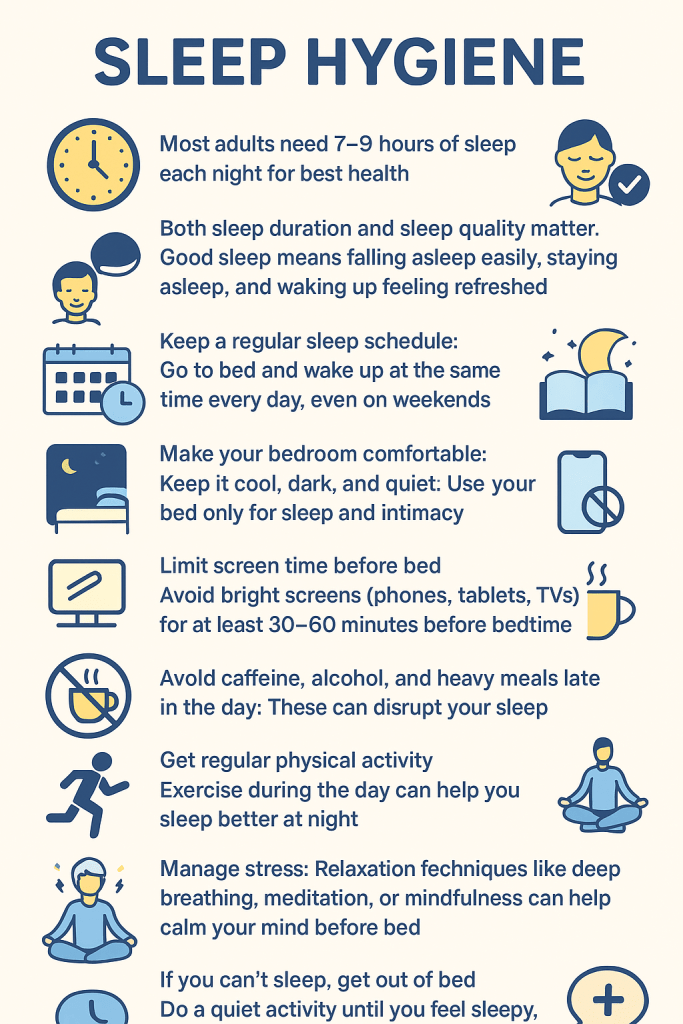
• Most adults need 7–9 hours of sleep each night for best health.
• Both sleep duration and sleep quality matter. Good sleep means falling asleep easily, staying asleep, and waking up feeling refreshed.
• Not getting enough sleep, insomnia, and sleep apnea are common and can increase the risk of chronic diseases like heart disease.
• Poor sleep makes psychiatric and medical problems worse.
• Healthy sleep habits can help prevent these problems and improve your overall health span (the years you live in good health).
How can I achieve better quality sleep?
• Keep a regular sleep schedule: Go to bed and wake up at the same time every day, even on weekends.
• Create a relaxing bedtime routine: Wind down with calming activities, such as reading or gentle stretching.
• Make your bedroom comfortable: Keep it cool, dark, and quiet. Use your bed only for sleep and intimacy.
• Limit screen time before bed: Avoid bright screens (phones, tablets, TVs) for at least 30–60 minutes before bedtime.
• Avoid caffeine, alcohol, and heavy meals late in the day: These can disrupt your sleep.
• Get regular physical activity: Exercise during the day can help you sleep better at night.
• Manage stress: Relaxation techniques like deep breathing, meditation, or mindfulness can help calm your mind before bed.
• If you can’t sleep, get out of bed: Do a quiet activity until you feel sleepy, then return to bed.
• Talk to your healthcare provider if sleep problems persist: Chronic insomnia warrants evaluation and treatment.
If you have ongoing trouble sleeping, or if you feel tired during the day despite enough sleep, discuss this with your healthcare provider. There are effective treatments available for sleep disorders—not just medications, but also behavioral therapies that can help you get the rest you need.
Final thoughts about sleeping:
• Value and prioritize your sleep—it is as important as diet and exercise for your health.
• Good sleep habits can help you live longer and reduce your risk of many diseases.
• Simple changes in your daily routine can make a big difference in your sleep quality.

Skin
Why and how to take care of your skin
Your skin is more than just your appearance—it’s your body’s largest organ and a vital barrier that protects you from the outside world. Healthy skin helps keep out harmful bacteria, toxins, and pollutants, and it plays a key role in regulating hydration and temperature.
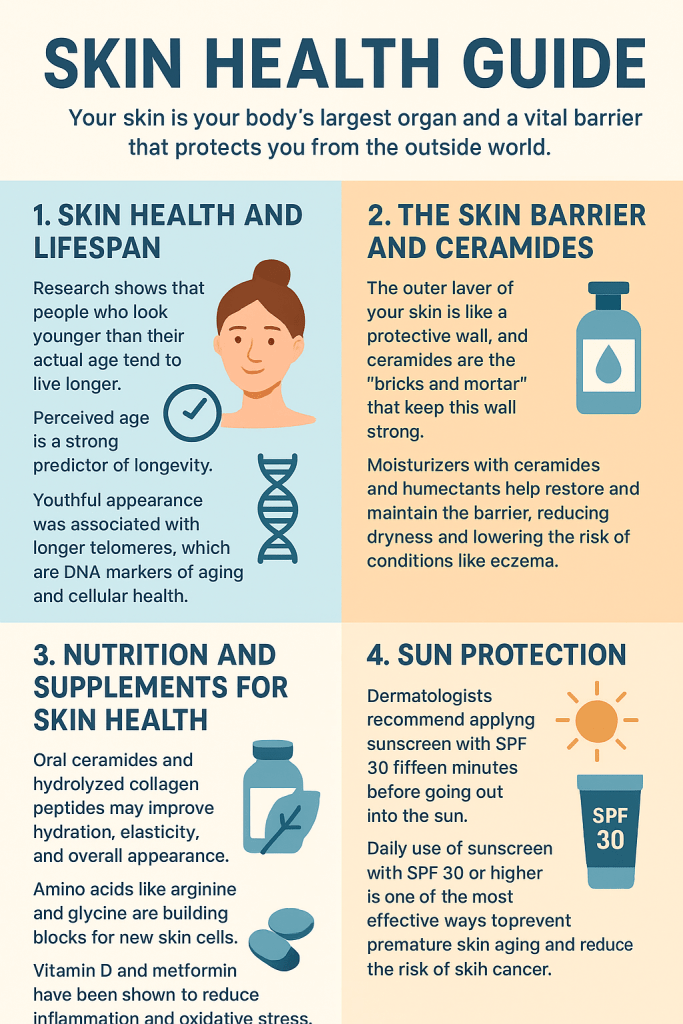
1. Skin Health and Lifespan
- Research shows that people who look younger than their actual age tend to live longer. In fact, perceived age (how old you look) is a strong predictor of how long you’ll live, even after accounting for your real age. This study found that youthful appearance was associated with longer telomeres, which are DNA markers of aging and cellular health.
2. The Skin Barrier and Ceramides
- The outer layer of your skin is like a protective wall, and ceramides are the “bricks and mortar” that keep this wall strong. When your skin barrier is healthy, it keeps moisture in and irritants out.
- Using moisturizers with ceramides and humectants (ingredients that attract water) every day helps restore and maintain this barrier, reducing dryness and lowering the risk of conditions like eczema.
3. Nutrition and Supplements for Skin Health
- Oral ceramides and hydrolyzed collagen peptides are being studied as ways to support skin from the inside out. These supplements may improve skin hydration, elasticity, and overall appearance.
- Amino acids like arginine and glycine are building blocks for new skin cells, helping to repair and renew your skin.
- Vitamin D and metformin have been shown to reduce inflammation and oxidative stress, both of which contribute to skin aging.
- Vitamin B3 (niacinamide) and NAD+ support the skin’s barrier function and can help reverse visible signs of aging.
4. Sun Protection
Dermatologists recommend applying sunscreen with SPF 30 (blocks 95% of UVB rays) fifteen minutes before going out into the sun.
Daily use of sunscreen with SPF 30 or higher is one of the most effective ways to prevent premature skin aging and reduce the risk of skin cancer. Sunscreen blocks harmful UV rays that damage skin cells and accelerate aging.
5. The Big Guns
Topical tretinoin is the gold standard for anti-aging therapy, with proven benefits for reducing fine wrinkles, improving skin texture, and diminishing hyperpigmentation. Tretinoin stimulates epidermal growth and differentiation, increases dermal collagen synthesis, and inhibits collagenase, leading to partial reversal of photoaging and improved skin elasticity and tone.
Topical hyaluronic acid improves skin hydration, elasticity, and reduces the appearance of fine lines and wrinkles. Hyaluronic acid is a key extracellular matrix component that declines with age; topical application restores hydration, enhances skin barrier function, and supports tissue regeneration.
Photobiomodulation see the HHNY page for more about NIR and red light therapy. This is great for your skin and the rest of you too.
Microneedling provides anti-aging and skin rejuvenation benefits by inducing controlled micro-injuries that stimulate dermal collagen and elastin production, leading to improved skin texture, reduced fine lines and wrinkles, and enhanced skin firmness. The procedure activates the wound-healing cascade, increases growth factor release, and preserves the epidermis, resulting in minimal downtime and a low risk of adverse effects such as dyspigmentation or scarring. Clinical studies and meta-analyses report high patient satisfaction (over 80%) and a favorable safety profile, with transient redness and mild irritation as the most common side effects.
 Evidence-based care for whole-person health.