
Addiction
Addiction is a medical condition that affects how the brain works, especially the parts involved in reward, motivation, and self-control. It is not simply a lack of willpower or a moral failing. Instead, addiction changes the way the brain responds to certain substances or behaviors, making it very hard to stop even when someone wants to.
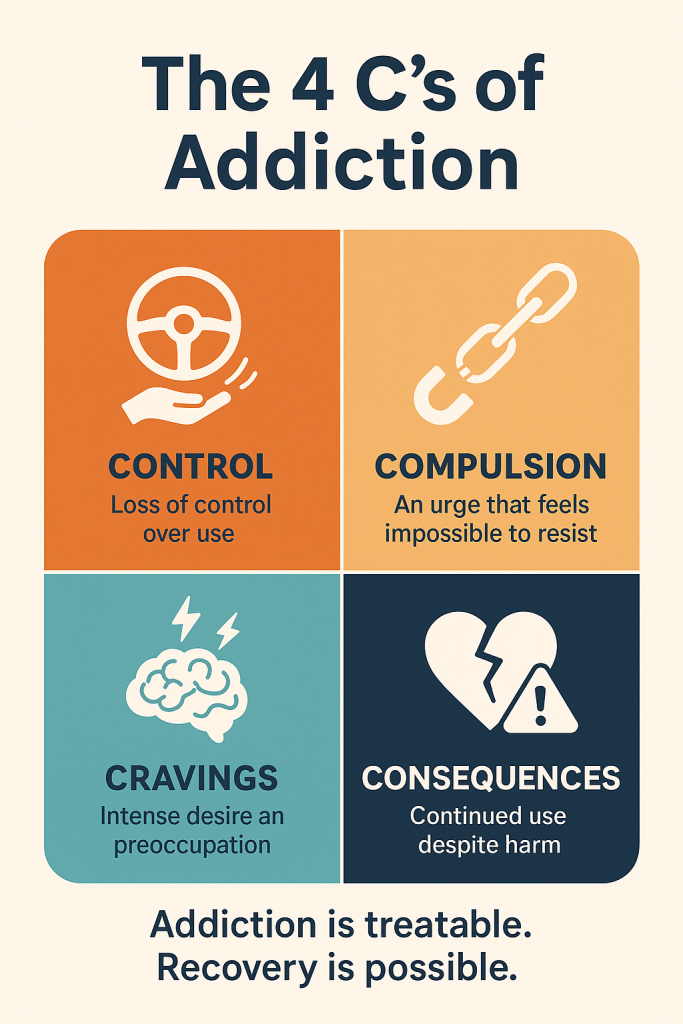
When we talk about substance use disorders, we often describe them using the “4 C’s”. These are four key signs that help us understand when use of a substance (like alcohol, opioids, or stimulants) has become a disorder.
- Control – Loss of control over amount or duration. You use more than planned, for longer than intended, and attempts to cut down repeatedly fail.
- Compulsion – the feeling of a drive to use despite a conscious decision not to. The behavior becomes automatic and tension-relieving, not truly voluntary.
- Cravings – Intense urges or preoccupation with the substance. Thoughts, anticipation, and mental energy become centered on using.
- Consequences – Continued use despite harm. You keep using even when it causes medical, psychological, relationship, social, or occupational problems.
👉 If you recognize yourself in these patterns, you are not alone.
Addiction is a medical condition, not a personal failure. Help is available, and recovery is possible. Your brain’s reward circuitry is an extremely powerful force, and addictions need to be treated.
Control = “I can’t stop once I start.”
Compulsion = “I feel driven to use.”
Cravings = “I strongly want it.”
Consequences = “I use even though it’s hurting me.”
How Addiction Affects the Brain
When a person uses drugs or alcohol, these substances increase the release of a brain chemical called dopamine. Dopamine is important for feeling pleasure and motivation. Over time, repeated use of addictive substances causes the brain to release less dopamine naturally, making everyday activities less enjoyable and increasing the urge to use the substance again to feel good or even just normal.
Addiction also affects the prefrontal cortex, the part of the brain responsible for decision-making, self-control, and judgment. Changes in this area make it harder to resist cravings and control impulses, even when someone knows the substance is causing harm. This is why people with addiction may sincerely want to quit but find it extremely difficult to do so.
Why Cravings and Relapse Happen
The brain learns to associate certain cues—like places, people, or feelings—with substance use. These cues can trigger strong cravings, making relapse more likely. Stress and negative emotions can also make cravings worse, as the brain seeks relief through the substance.
Treatment Options for Addiction
Addiction is treatable, and recovery is possible. The most effective treatments often combine different approaches:
• Medications: For some addictions, such as opioids, alcohol, and nicotine, medications can help reduce cravings and withdrawal symptoms. For opioid addiction, medication for opioid use disorder (MOUD) is the standard of care, and these medications reduce mortality by >50%, saving lives as soon as you get stable on these medications. Examples include methadone, buprenorphine, and naltrexone for opioid addiction, and naltrexone or acamprosate for alcohol use disorder.
• Therapy: Behavioral therapies like Cognitive Behavioral Therapy (CBT), Mindfulness-Based Relapse Prevention (MBRP), and Eye Movement Desensitization and Reprocessing (EMDR) help people understand their triggers, develop coping skills, and manage stress.
• Emerging Treatments: Newer options like Transcranial Magnetic Stimulation (TMS) are being studied for their ability to help rebalance brain circuits involved in addiction. Photobiomodulation also shows some promise as an emerging treatment for addiction.
• Support Systems: Group therapy, peer support, and family involvement can provide encouragement and accountability.
Treatment is most successful when it is tailored to the individual, considering their unique brain changes, stress levels, and personal circumstances. Recovery is a process, and setbacks can happen, but with the right support and treatment, many people achieve lasting change.
Chemical & process dependence and recovery
If you or someone you know is struggling with addiction, know that help is available and recovery is possible. Medical treatments are available to relieve withdrawal symptoms and psychological cravings. Your chances of recovering from addiction are much improved with medication and evidence-based therapies to help you on your path.

Alcohol
Do you want to cut back on drinking? Or do you want to quit drinking entirely? It’s estimated that less than 20% of people need an inpatient detox program, and most can safely detox at home with less disruption to employment and other responsibilities that are creating a barrier to recovery. There are medications that can reduce cravings and rewire the brain’s reliance on alcohol and other medications that block the neurochemical rewards of alcohol use. There are great tools available for people looking to cut back or quit drinking.
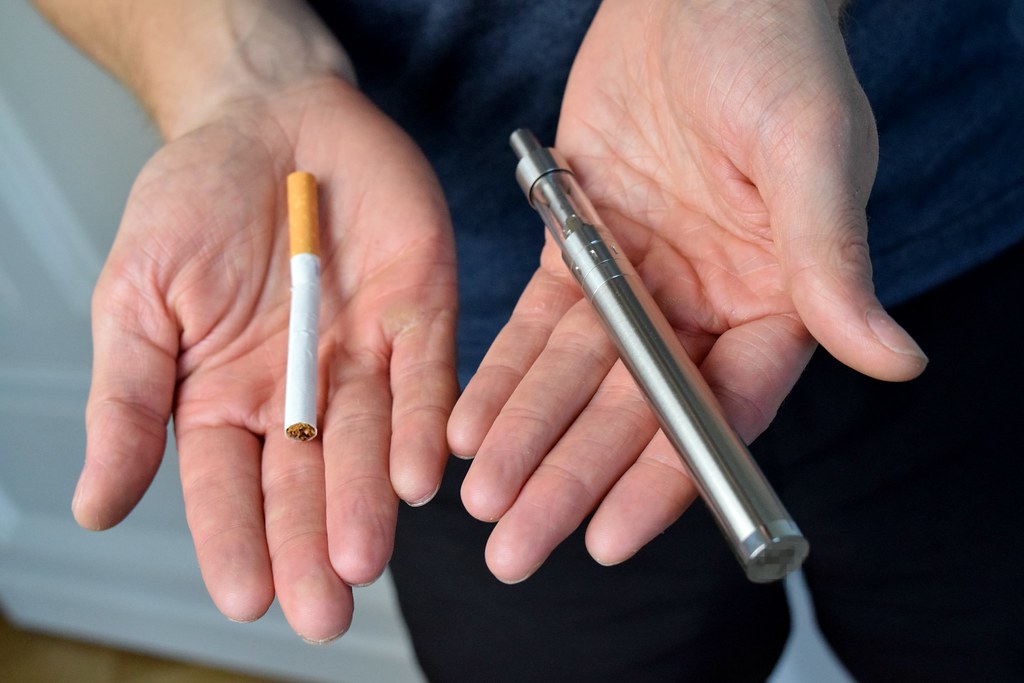
Smoking and Vaping
There’s more to quitting smoking than gum and patches. Varenicline can boost quitting odds by roughly 100-130% compared to no treatment (or placebo). Bupropion boosts quitting odds by about 50-70% over placebo. Men who vape are twice as likely to have erectile dysfunction. Nicotine causes hemorrhoids, atherosclerosis, and high blood pressure. These chemicals are terrible for your cardiovascular system. Smoking is the #1 cause of preventable death in the USA (obesity and high alcohol consumption are #2 and #3). If you’ve never tried using medication to quit smoking, why not?
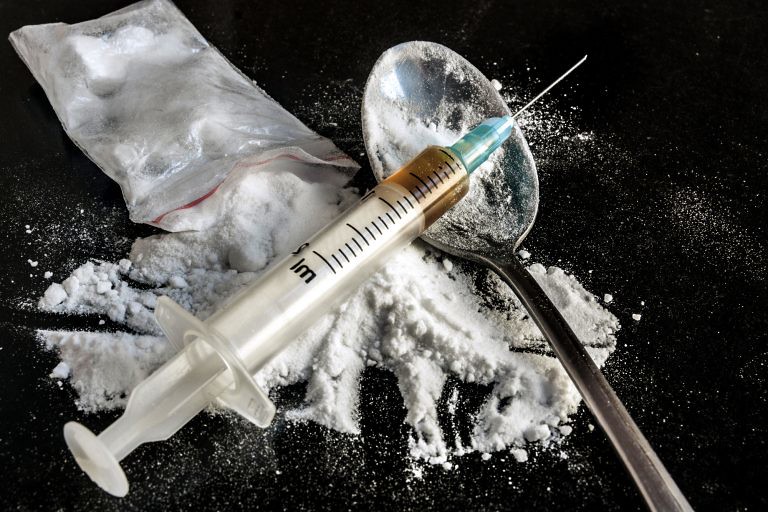
Opioids
Less than 35% of adults with OUD had received treatment for opioid use in the past year; this is an astonishing and horrifying statistic, but there are many barriers to care. Buprenorphine (Suboxone, Sublocade, Brixadi) relieves cravings & withdrawals while blocking the actions of heroin, oxycodone, fentanyl, mitragynine/Kratom, and other opioids. New methods of induction (microdosing, macrodosing) make it easier to succeed on bupe. Long-acting injectable buprenorphine simplifies sobriety. If you prefer a methadone program instead, I arrange your admission.
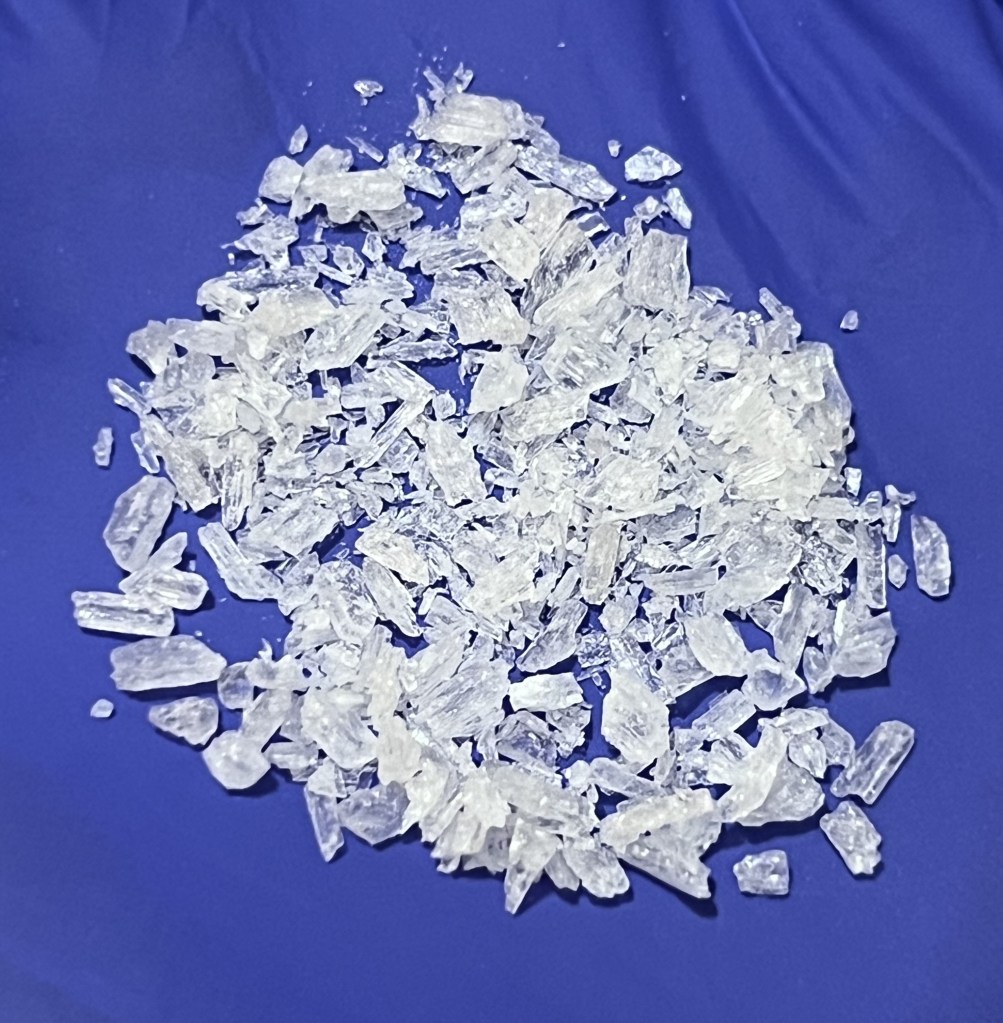
Methamphetamine
We have medication that we know can help some people, although none are yet approved by the FDA. Bupropion-naltrexone can help people abstain from methamphetamine use. Topiramate, a GABAergic medication, can help people use less meth and can help reduce relapse rates in those who are already abstinent.
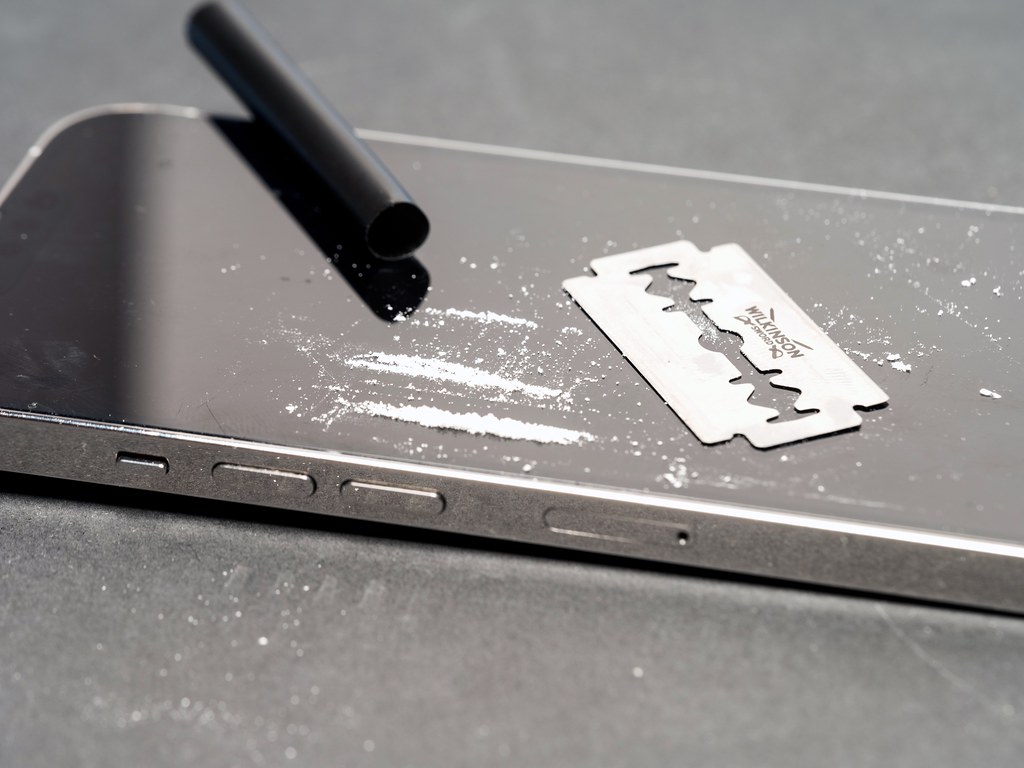
Cocaine
As with meth, there’s no FDA approved treatment, so your insurance likely won’t cover it, but topiramate can help reduce cocaine use . In case studies and in my clinical experience, some patients respond well to bupropion as well. There is a growing body of data supporting the use of long-acting stimulants to promote abstinence and reduce withdrawal symptoms in people with cocaine use disorder.
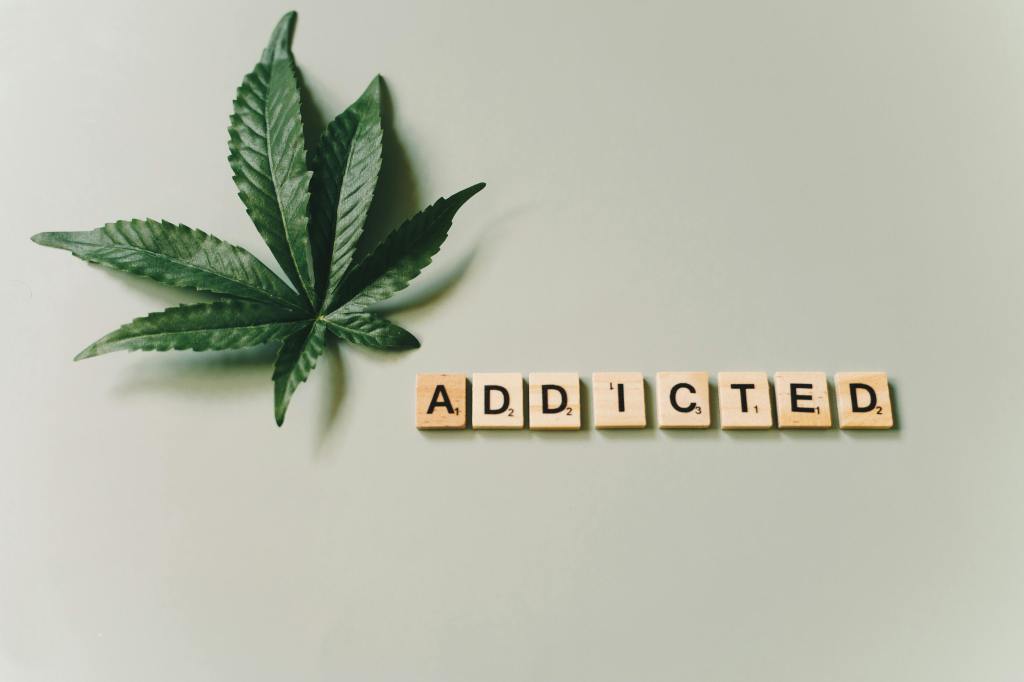
Cannabis
Again, the FDA is yet to approve an intervention for cannabis dependence, but some off-label interventions have shown promise including gabapentin, N-acetylcysteine, and varenicline. A daily high dose (400mg) of cannabidiol (CBD) has also shown promise in helping people struggling with cannabis dependence. Combining medical, behavioral therapy, and peer support can help break a cannabis dependence.


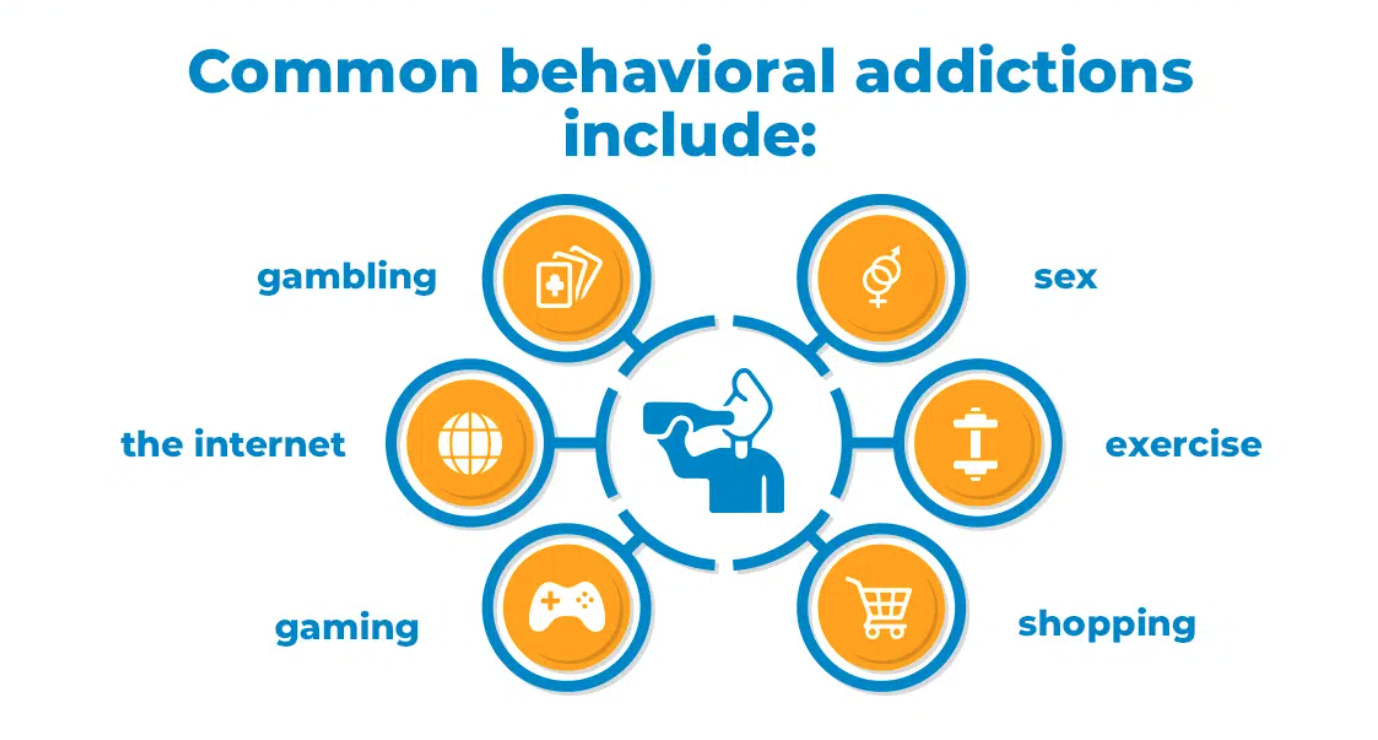
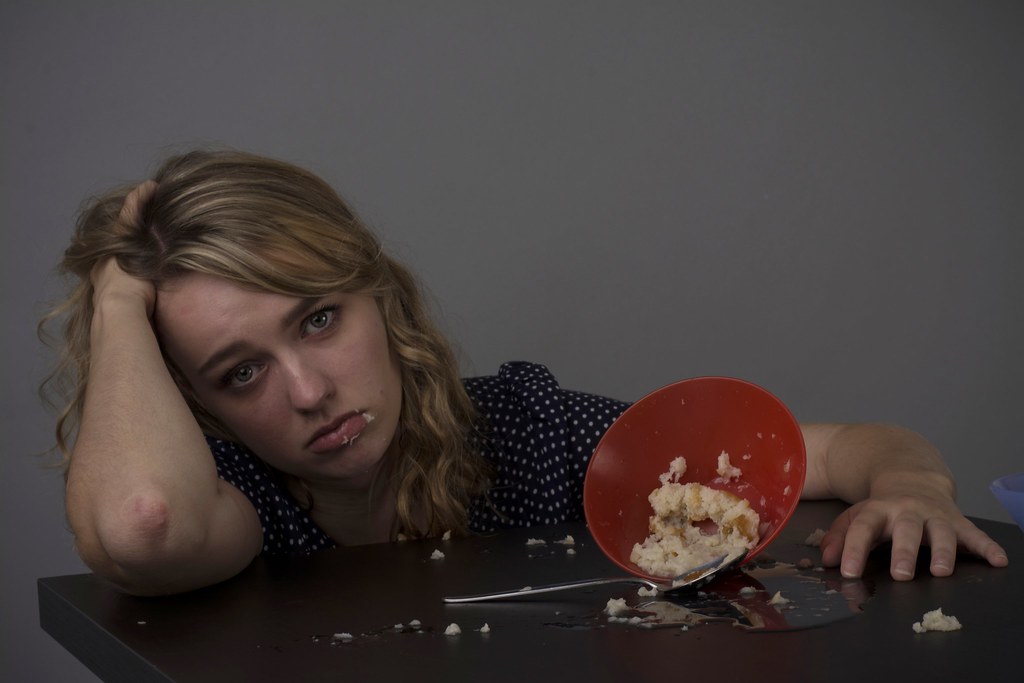
Are you addicted to a behavior like binge-eating, TV, gaming, pornography, or picking at your fingers until they bleed? Process addictions and chemical dependencies are treatable disorders. There are medications and interventions that really help people. Together we can chart a course that helps you get your life back.


 Evidence-based care for whole-person health.